A Five-Star Cinematic Experience at Home - Max Dull, Holly MI
-
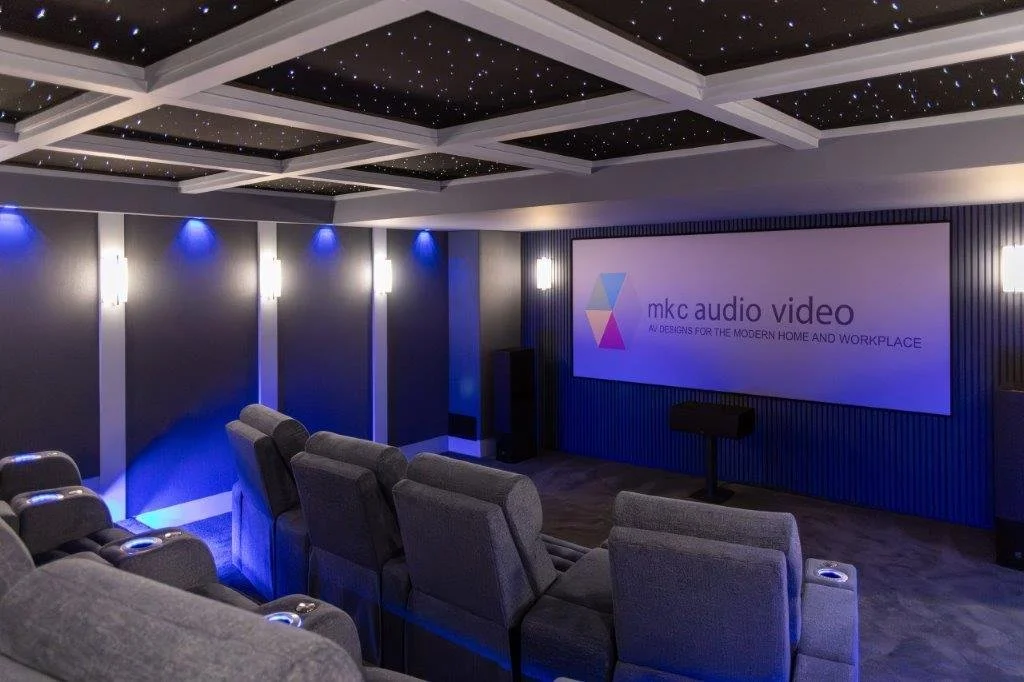
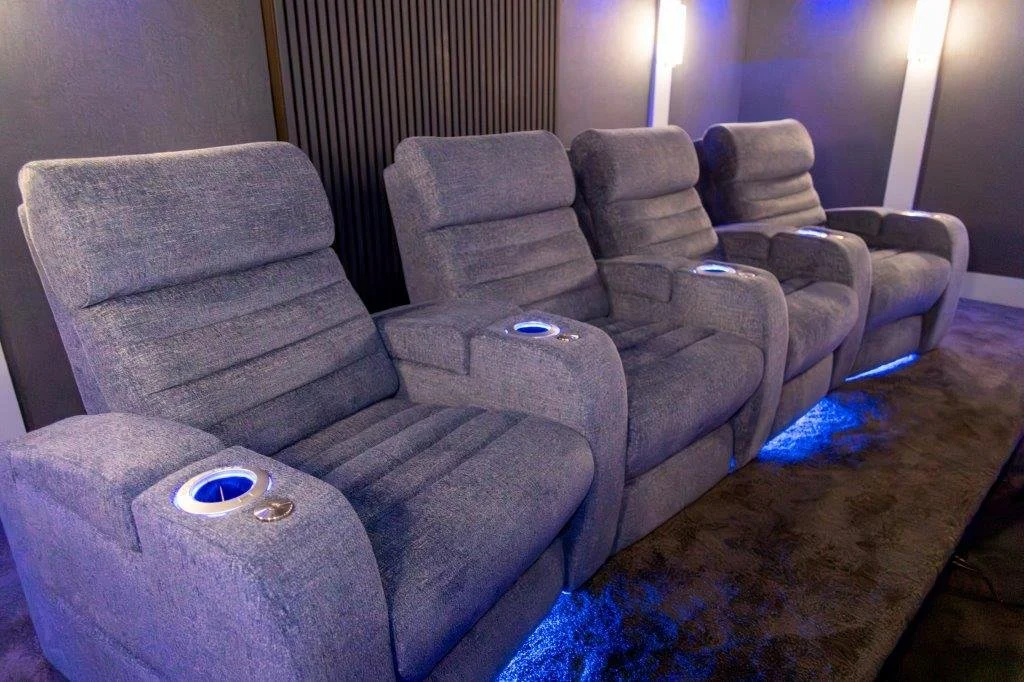
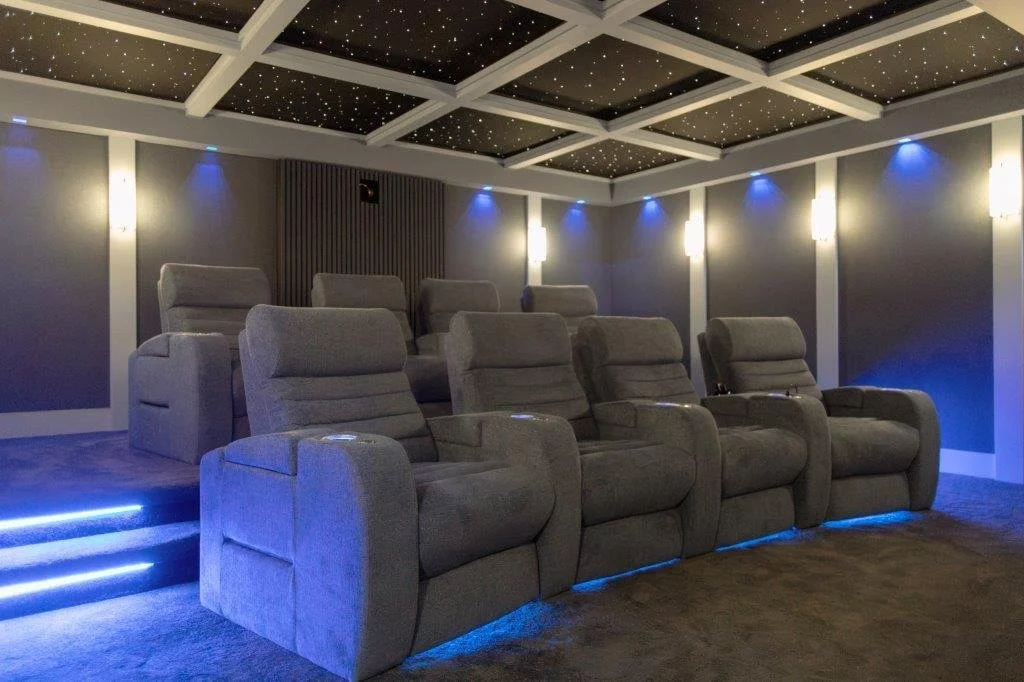
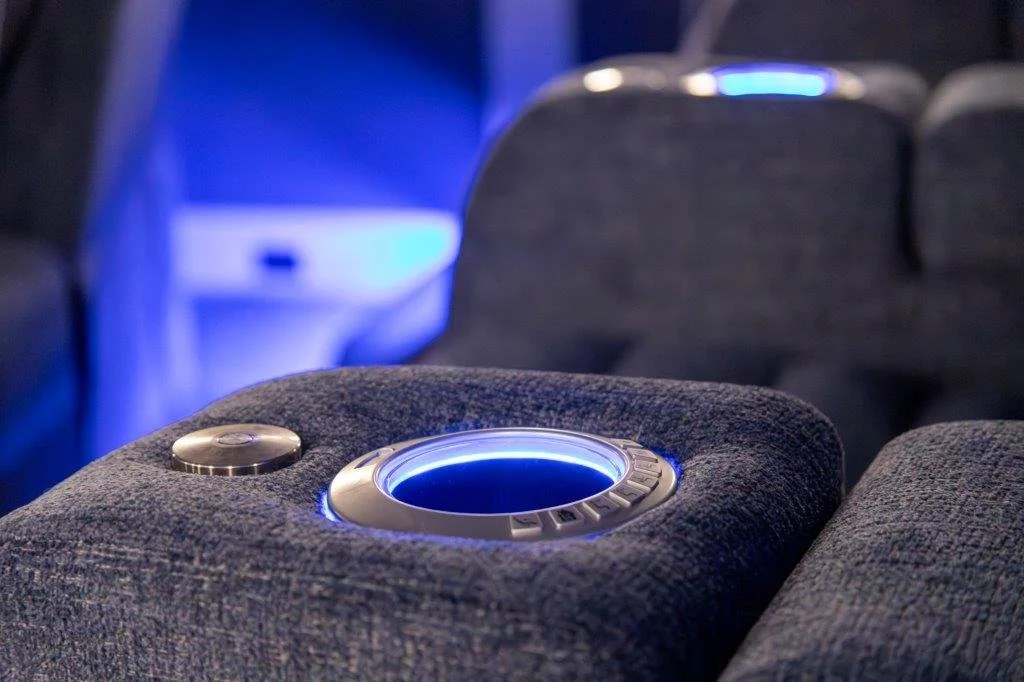
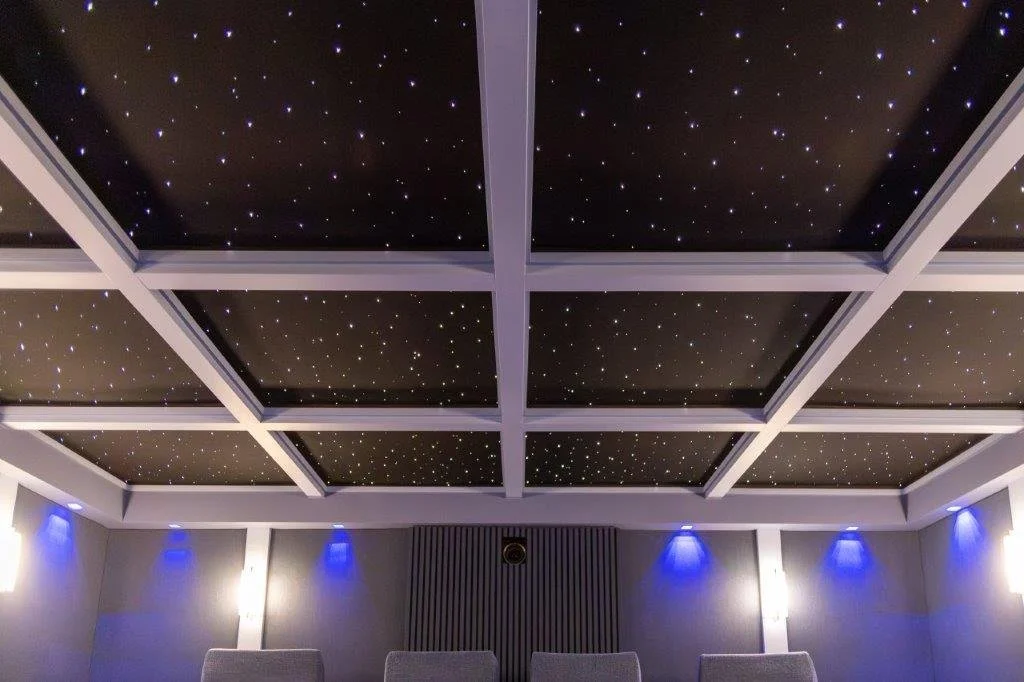
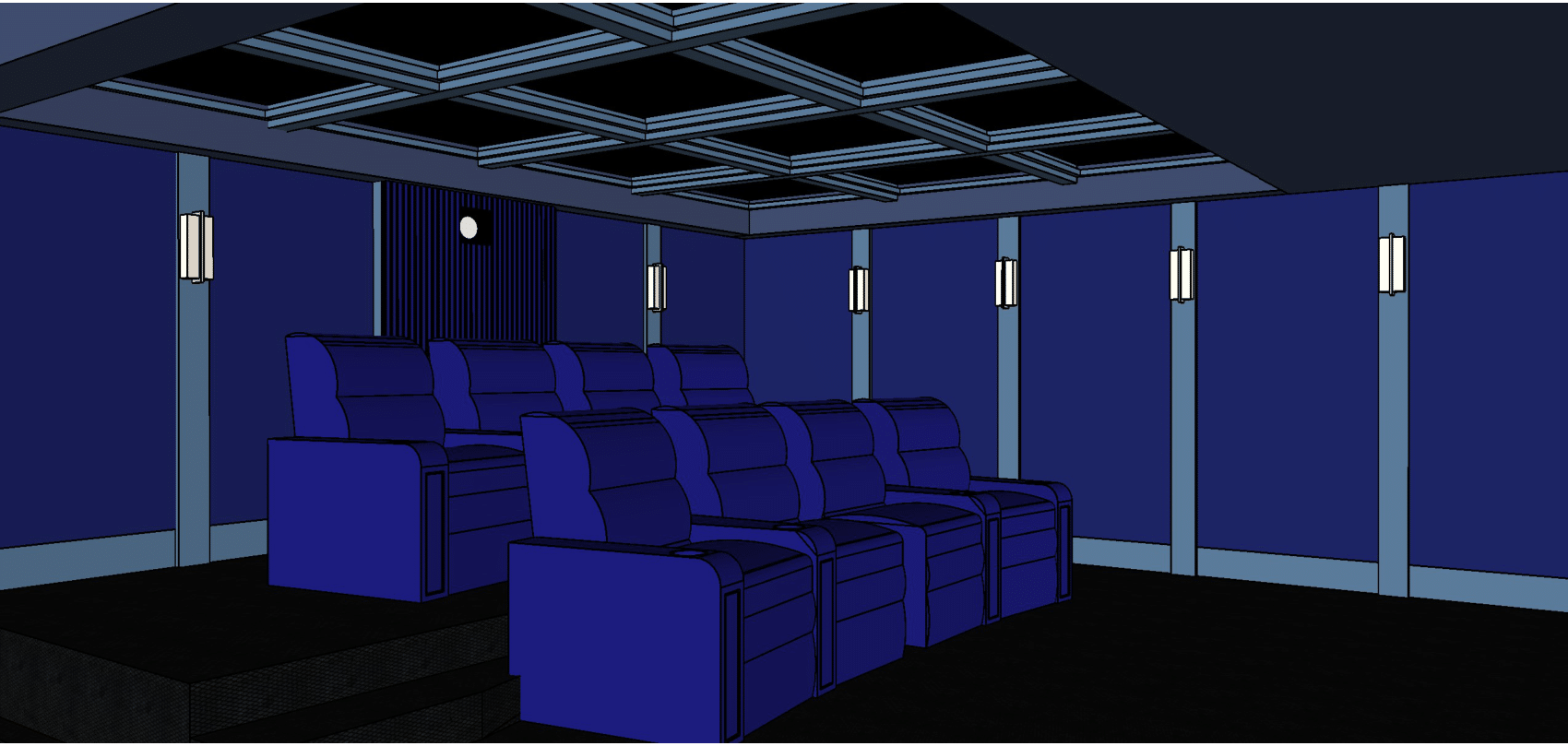
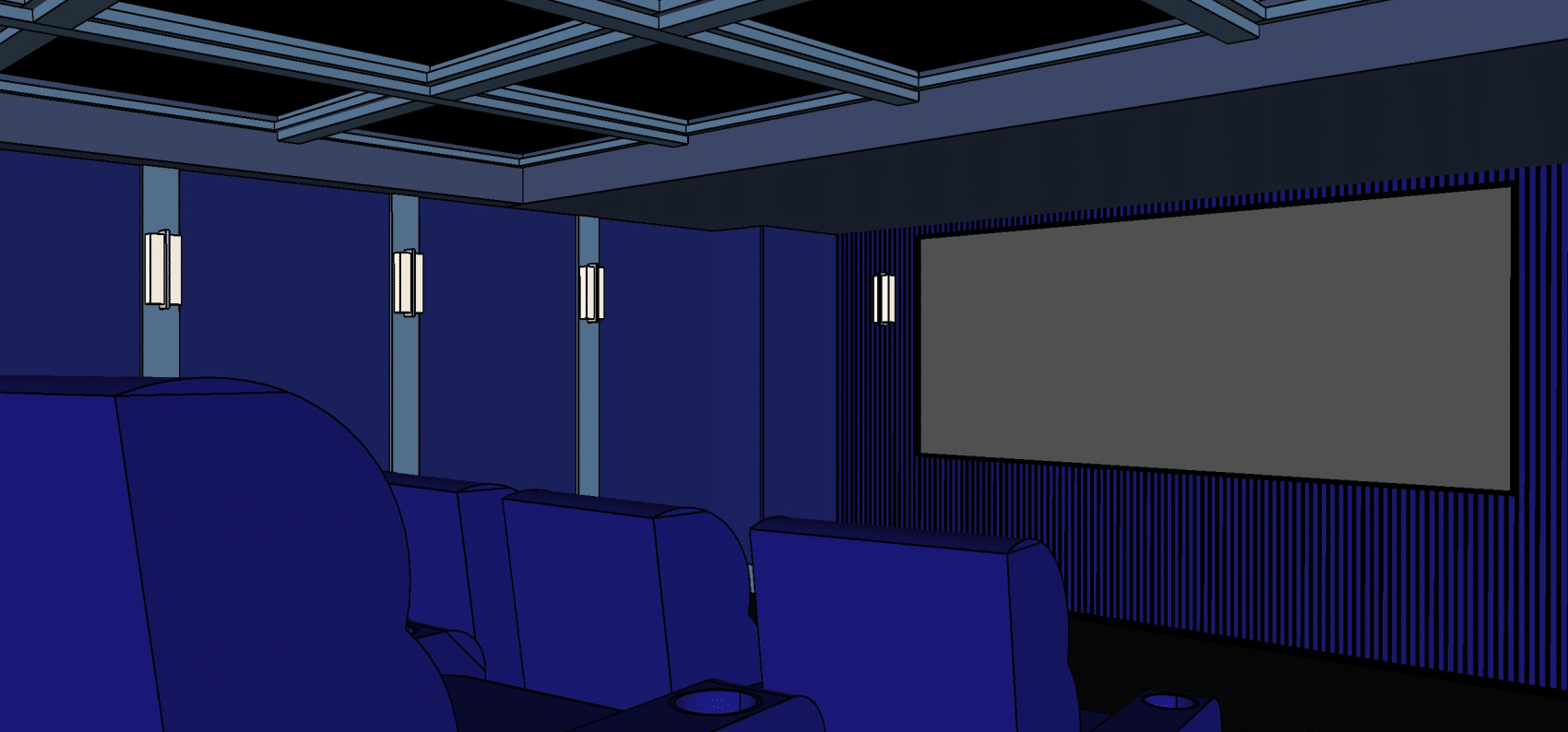
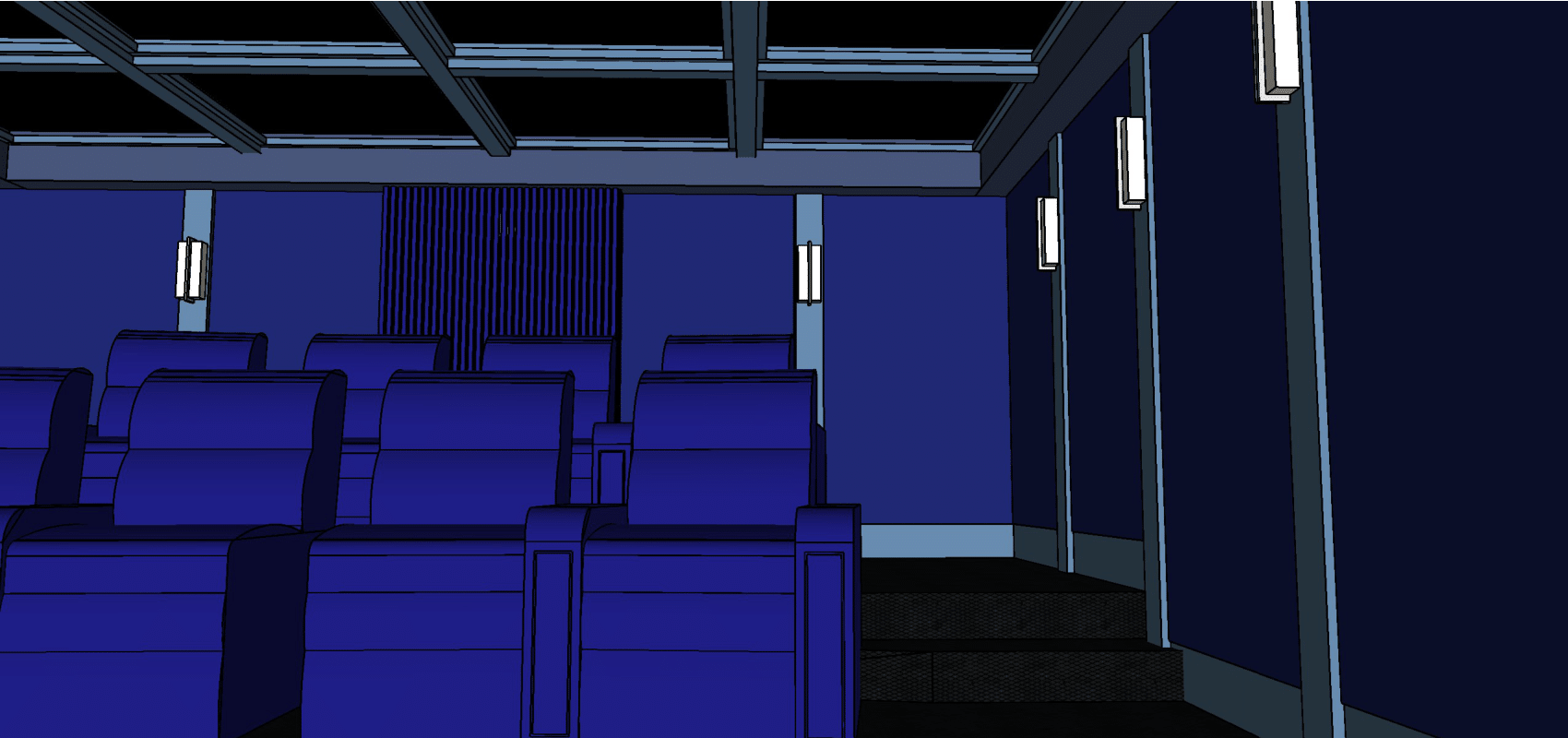
We tasked MKC Audio Video with turning a basic space into the ultimate home theater, and the results are honestly breathtaking. What started as an abstract concept quickly became a spectacular, fully custom reality that is now the favorite room in our house. From the very beginning, the process was seamless. The detailed 3D renderings helped us visualize the space, and the construction team’s meticulous attention to detail—from the complex acoustic treatments to the wiring—was managed with absolute professionalism. The finished room is a genuine masterpiece of both design and technology. The tiered seating, automated LED lighting and incredible fiber optic 'starry night' ceiling create an atmosphere of luxury and immersion. The real magic, however, is in the performance. The audio quality is nothing short of phenomenal. The team integrated a powerful, high-definition surround sound system, including perfectly hidden subwoofers and acoustic wall panels, that delivers cinema-grade clarity and impact. Whether we’re watching a blockbuster movie or enjoying a live concert on the massive cinematic screen, the sound is huge, detailed, and perfectly balanced. MKC Audio Video didn’t just install a system; they engineered an experience. They built us a beautiful, acoustically perfect escape that truly exceeded every expectation.
-
Listening to the needs of this husband and wife client was the most important phase of this project. Max is a life-long musician with a passion for recording and collecting. Anne comes from a distinguished IT career. This was to be their 3rd custom-built Home Theater. Audio quality needed to be the top priority with the video capability next followed by comfort.
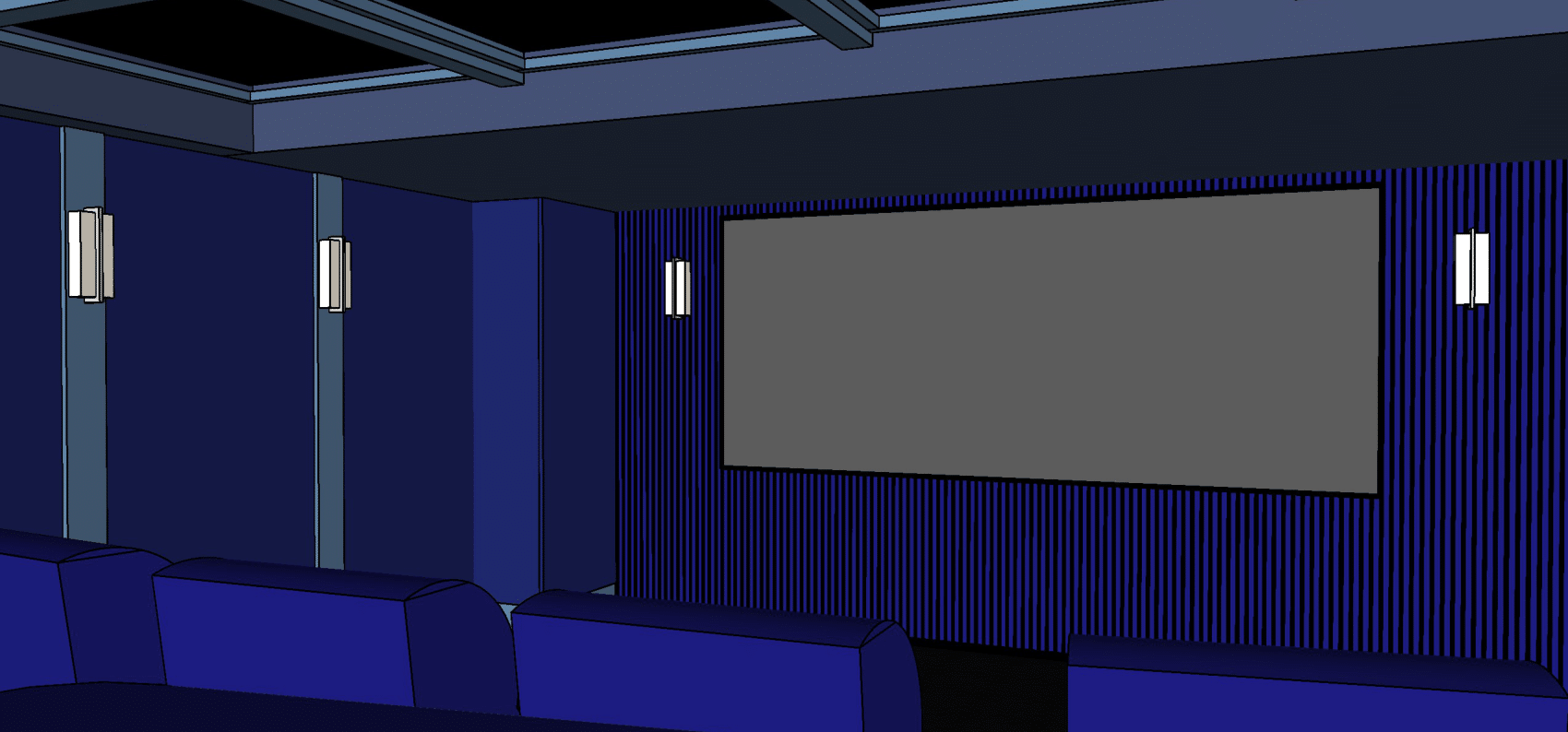
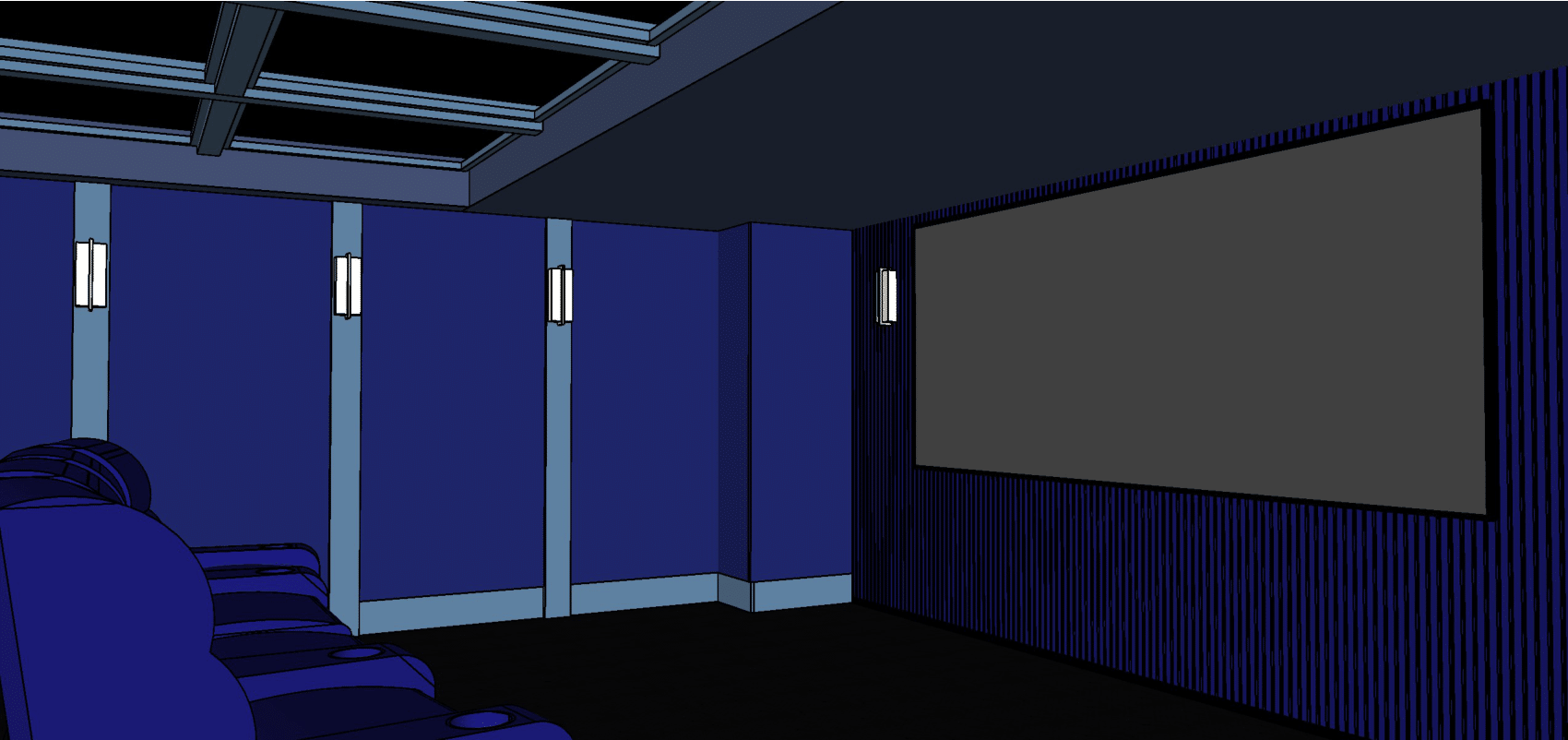
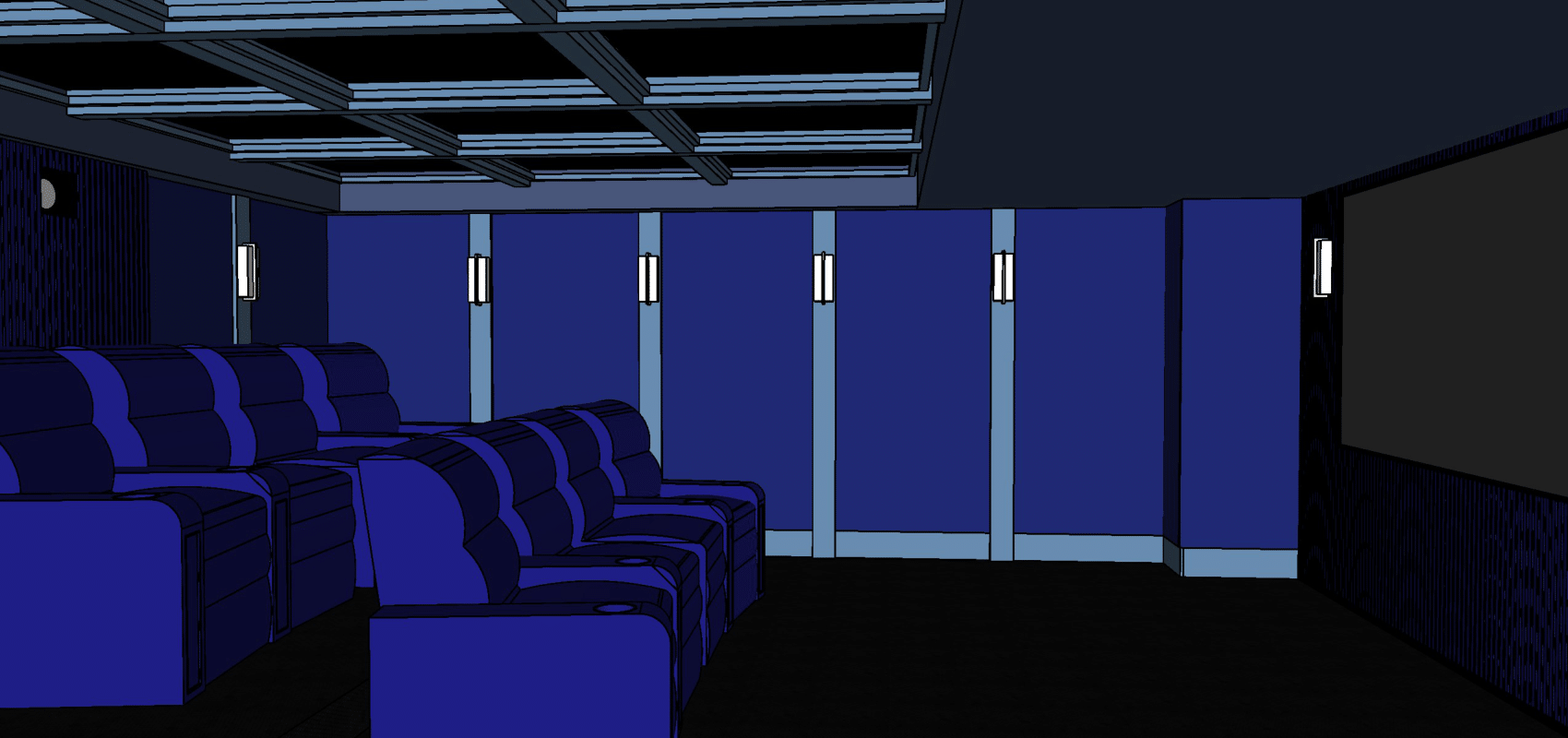
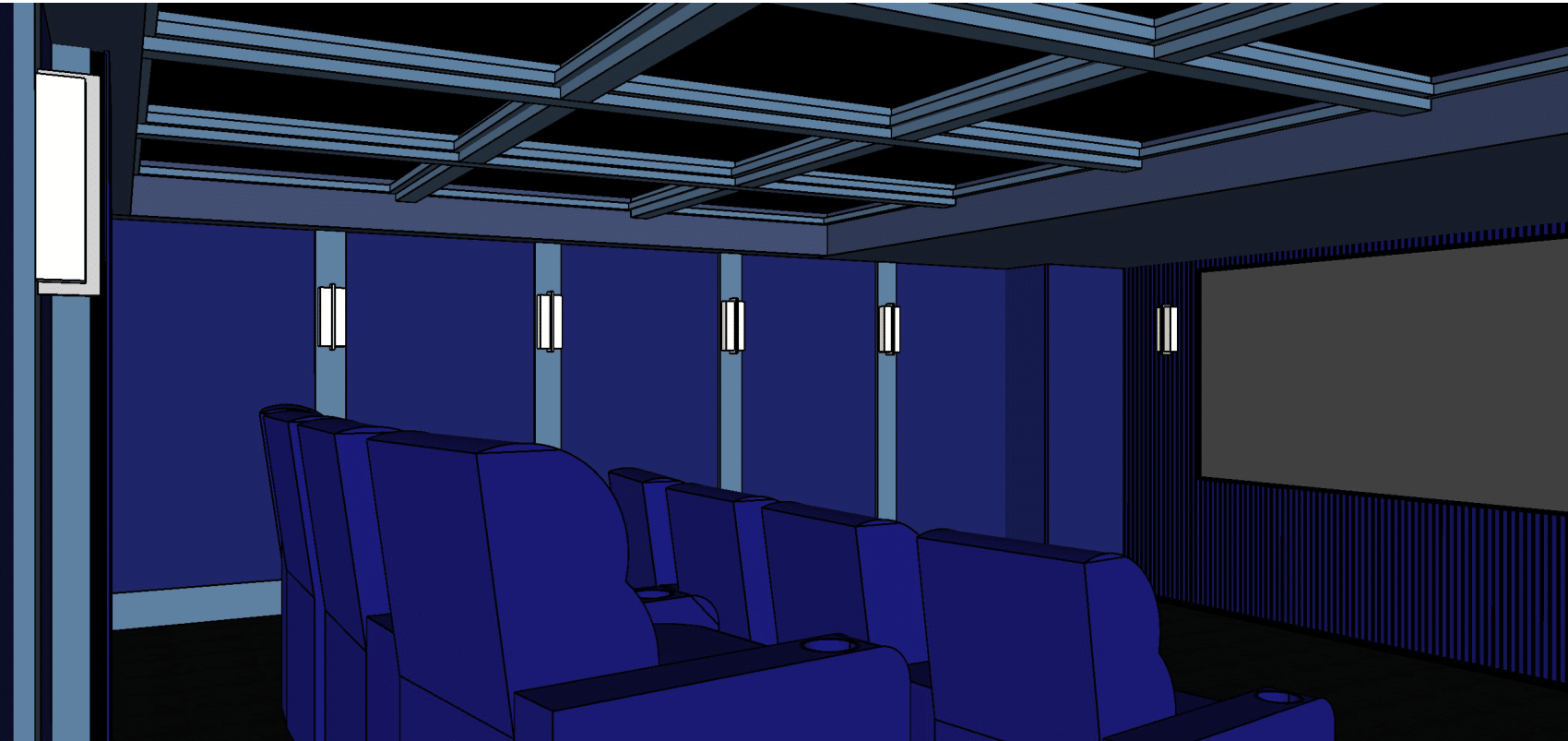
We used 3D modeling and sample boards to flush out the room design so the client was totally comfortable moving forward.
-
To achieve the space requirements, three walkout basement bedrooms would be gutted and made into a home theater and a craft room.
We recommended our favorite builder Mendoza Building LLC and they did a fabulous job of reframing the rooms, modifying the electrical, HVAC and drywall.
With our pre-wiring in place, we shifted into fabrication mode using our partner Hinterland Supply Co. in Rochester MI to build the coffered ceiling and wall columns. MKC then installed all of the finished trim and completed the custom painting.
-
As identified in the Design phase, Audio is King. Consultatively guiding our client to the final speaker brand and specific models was very important. We selected Dali Rubicon speakers for the front soundstage and Dali Phantom install series for the surrounds, rears and height channels, completed by the Dali E-12 subwoofers. Dali speakers are crafted in Denmark and known for their audio excellence and the feeling of a live performance. These were purposefully pairs with a Harmon Arcam class-G 9.4.2 channel surround sound system for Dolby Atmos 3D imaging. Post-installation calibration was tackled with Dirac Live.
-
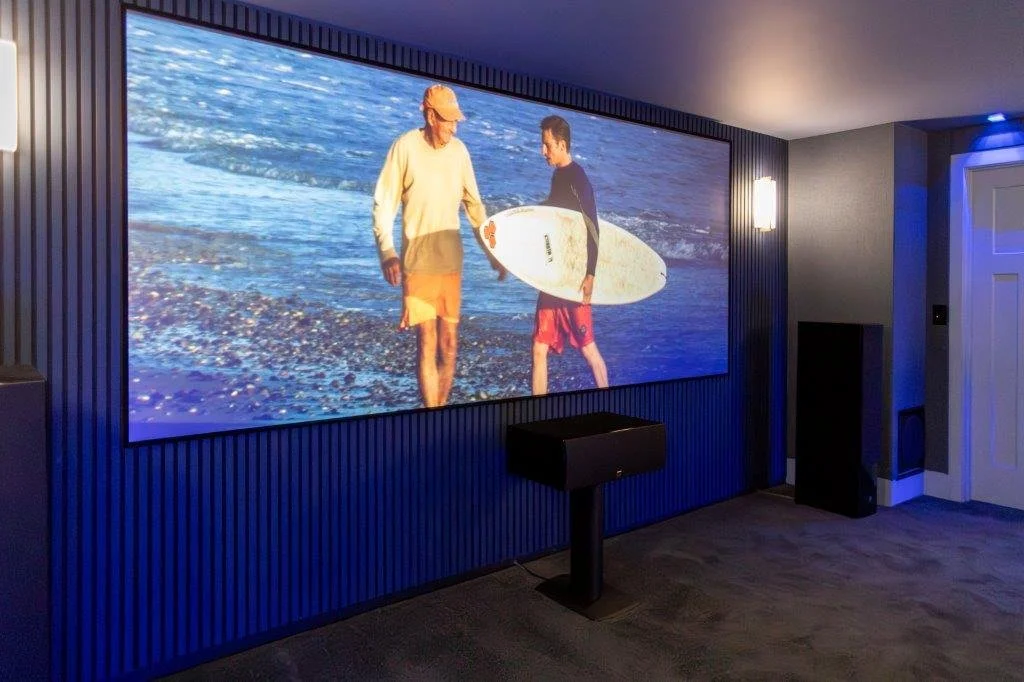
Knowing we wanted the wow factor of a CinemaScope wide format screen, we selected Screen Innovations 140” diagonal Zero Edge fixed screen in Slate Grey with 85% Ambient Light Rejecting 8K resolution material.
This made the projector decision even more important so we selected a JVC DLA-RS3100K 8K Laser with lens memory to easily shift between 16:9 and 2.35:1 formats. We were able to accommodate this projector in the equipment area of the room with a clean opening for the projected image.
-
After a demo of live concert and movie content, the client was truely impressed with the ease of use the Kaleidescape brings as a player/service/cloud service. But what really anchored the solution was the uncompressed audio that comes with Kaleidescape. “Lossless” movie soundtracks (e.g., Dolby TrueHD and DTS-HD Master Audio) preserve the studio master bit-for-bit, unlike lossy streaming codecs that throw away data to save bandwidth. With lossless formats you get the full dynamic range, clarity, and spatial cues the re-recording mixer intended – and, crucially for modern home theaters, the complete metadata for object-based formats like Dolby Atmos and DTS:X.
In practical terms, lossless means:
No generational loss: Decoding reproduces the original audio payload exactly.
Full dynamics: Whisper-quiet ambience and thunderous peaks survive intact.
Intact spatial metadata: Height objects and precise sound placement are preserved for Atmos/DTS:X systems.
-
We used Lutron Caseta for lighting control which allowed us to not only control and dim the LED wall sconces with installed, but we also were able to trigger lighting macros in the URC Control System to also control the LED downlights, LED step lighting and the Epixsky star panels. Talk about easy to use!
We also use Lutron for all the remaining basement lighting zones allowing an all on and all off scene.
-
In the design phase the client loved the idea of a coffered ceiling looking like an open pergola to a night sky studded with twinkling stars.
Using Epixsky Acoustic Star panels made this a very cool feature of the room. Integrating the panels into the Advanced Controller allows the client to easily switch between star patterns, dim the stars and turn on and off with the whole room.
The side and rear walls are covered in custom acoustic panels with Guildford of Maine transparent fabric with 1” core material. These panels also cover the in-wall speakers.
The entire front wall and the doors to the equipment area are covered in Acoustic Slat Wall material that provides audio absorption and dispersion. Absorption is particularly useful for controlling echo and reverberation, which can make a space sound harsh, chaotic, or unintelligible. Sound dispersion, on the other hand, involves scattering sound waves in multiple directions when they strike an irregular surface. Unlike absorption, dispersion doesn't remove sound energy from the room; it redistributes it more evenly throughout the space. This helps eliminate focused reflections and standing waves while preserving the room's acoustic energy. Dispersion is particularly effective in creating a more natural sound. In summary, while absorption focuses on reducing sound energy and reflections, dispersion aims to create a more natural sound by scattering sound to maintain a balanced acoustic environment. Both techniques are essential for optimizing sound quality in various spaces, from home theaters to recording studios.
-
While Audio is King and the 140” wide Projection Screen is Wow, nothing matters if it’s too complicated to turn on and operate. No fumbling for multiple remotes for every piece of equipment. With one simple handheld URC wireless remote with LCD touch screen, everything works flawlessly with just the touch of a button.